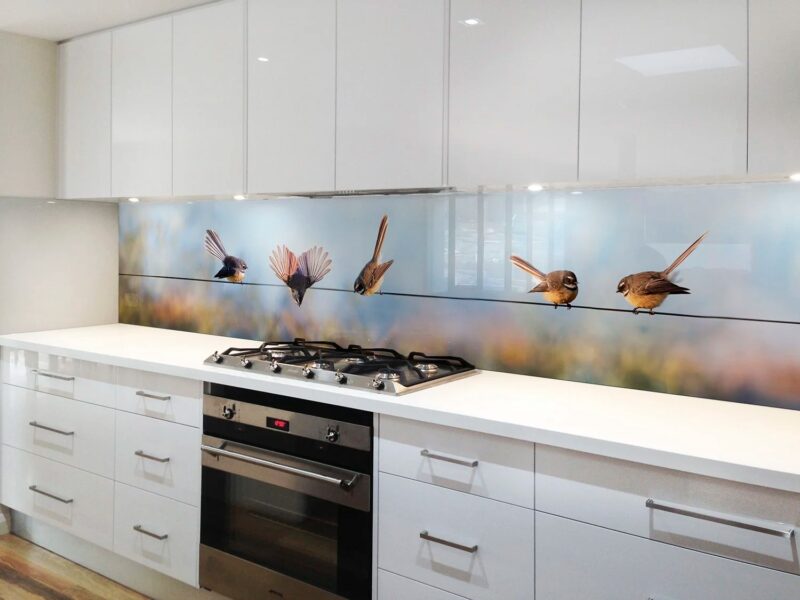
Polished edges are a small detail that make a significant difference in the final appearance and safety of a glass splashback. While most attention goes to colour or finish, edge quality affects both aesthetics and durability. Whether you are installing standard panels or toughened mirrors, understanding what polished edges involve helps you make an informed decision.
What Are Polished Edges On Glass Splashbacks
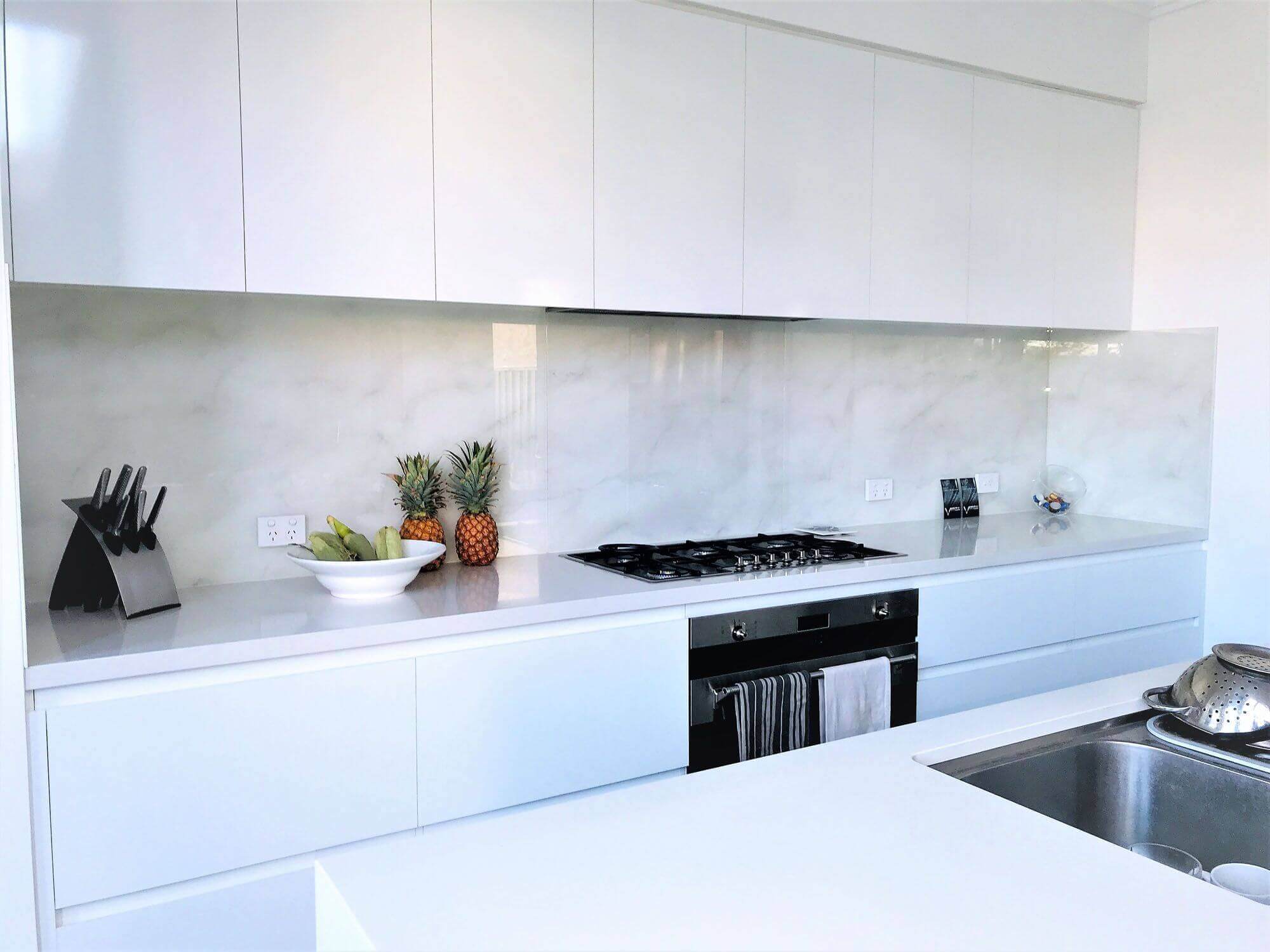
When glass is cut to size, the raw edge is typically sharp and slightly rough. Polishing is the process of grinding and smoothing that edge until it becomes flat, even, and safe to touch. This creates a clean, refined border that enhances the overall finish of the splashback.
For toughened mirrors and other splashback panels, edge polishing must be completed before the toughening process. Once glass has been toughened, it cannot be cut or reshaped. That is why accurate measurements and final edge specifications are confirmed prior to manufacturing.
Polished edges are especially important when the sides of the glass will remain visible, such as when a splashback ends before a wall or cabinet edge. A smooth, finished edge ensures the installation looks intentional and professionally completed.
Why Polished Edges Matter For Safety And Durability
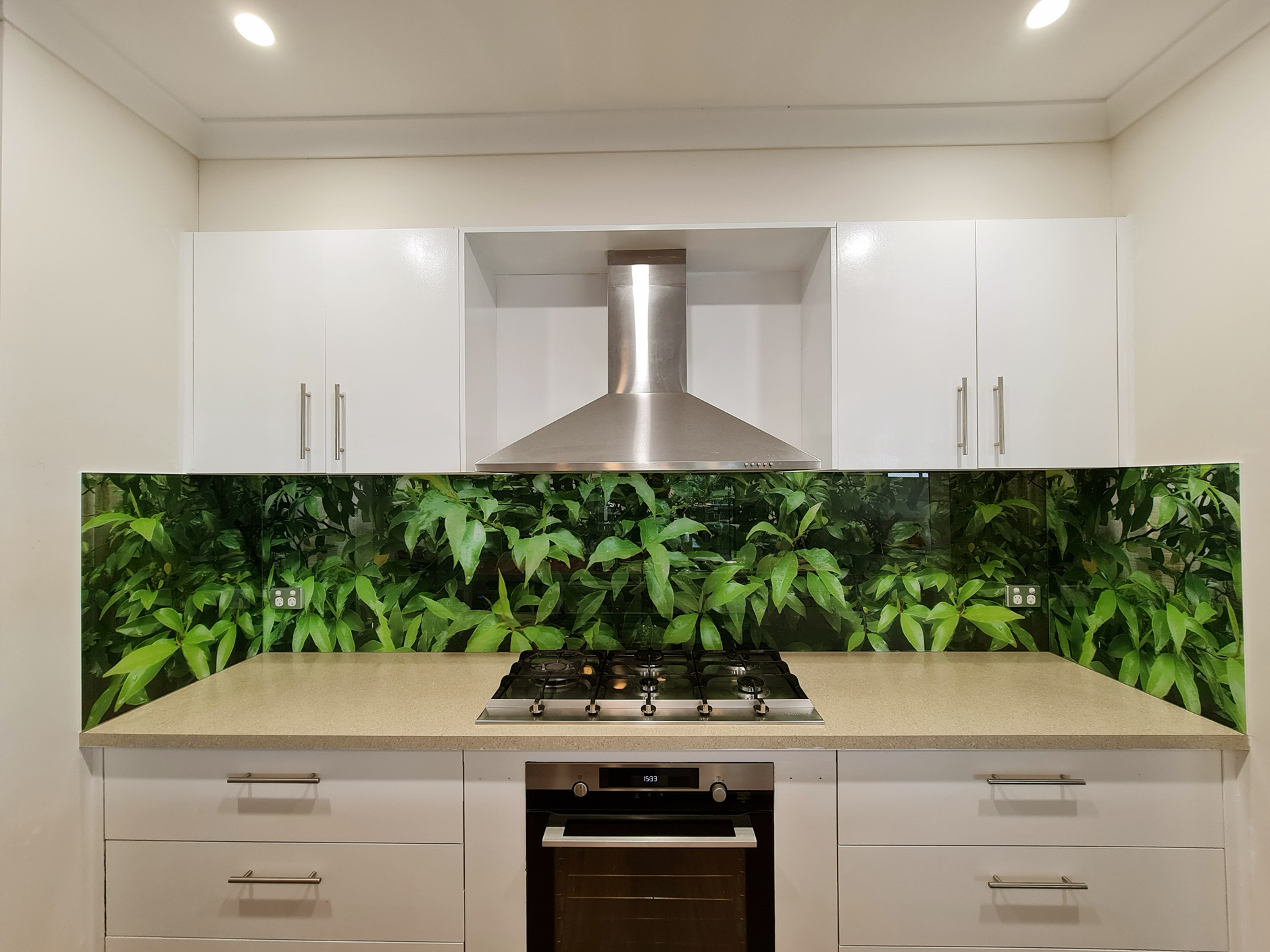
Safety is one of the main reasons polished edges are recommended. Sharp or unfinished edges can pose a risk during installation and future cleaning. A properly polished edge reduces the chance of cuts and makes handling safer.
From a durability perspective, smooth edges are less prone to chipping. Micro cracks or stress points are more likely to develop along rough edges, particularly if the glass is exposed to minor impact. Polishing strengthens the perimeter by removing imperfections that could weaken the panel over time.
This is particularly relevant in kitchens, where splashbacks may be installed behind sinks, cooktops, or preparation areas. Regular cleaning and accidental contact with utensils make edge strength important for long term performance.
Aesthetic Impact And Design Considerations
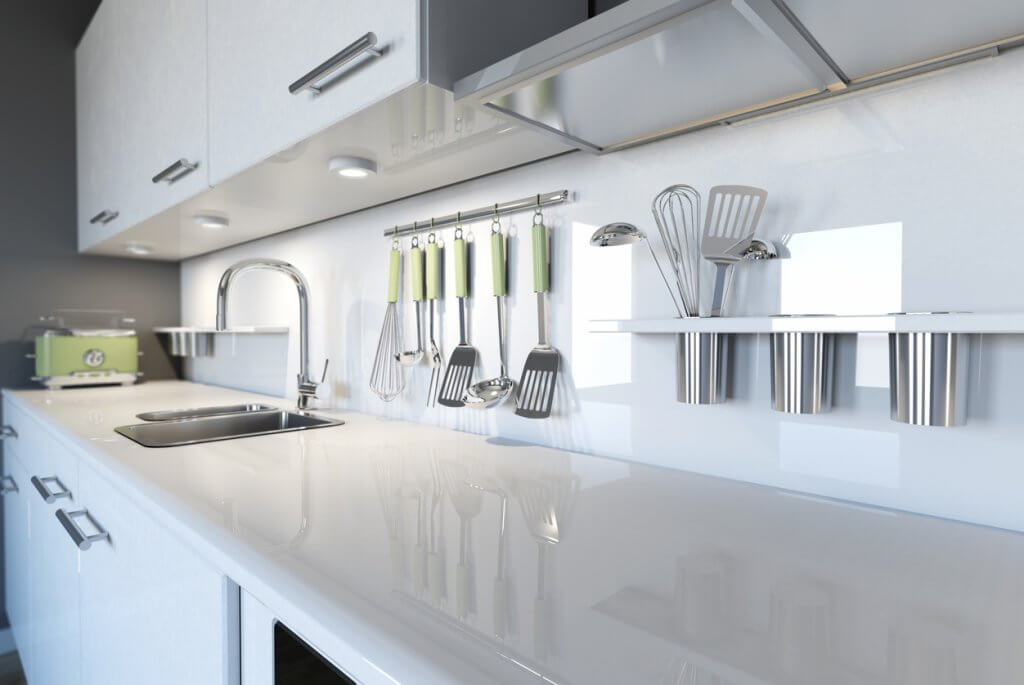
Polished edges contribute to a sleek, premium look. In minimalist kitchens or contemporary interiors, visible glass edges should appear smooth and consistent. The clarity of a polished edge enhances light reflection and complements both gloss and mirrored finishes.
For mirrored splashbacks, edge quality is even more noticeable. Any irregularities in the border can disrupt the reflective effect. A polished finish ensures clean lines that align with cabinetry and benchtops.
When ordering custom panels, confirm which edges will be visible and request polishing accordingly. Some installations may have concealed edges behind cabinets, while others require all sides to be finished.
Conclusion
Polished edges are an essential finishing detail for glass splashbacks and toughened mirrors. They improve safety, reduce the risk of chipping, and enhance the overall visual appeal of the installation. By specifying polished edges during the ordering process and ensuring precise measurements, homeowners can achieve a refined, durable result that complements the design of their kitchen.


