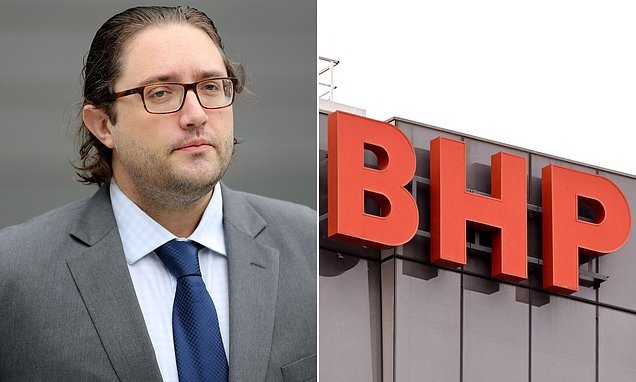
Pogust Goodhead has faced growing public attention as reports about spending claims, leadership changes and internal pressure continue to shape discussion around the firm. The controversy has raised questions about governance, reputation and how large litigation firms operate when handling complex international cases.
Spending Claims And Public Scrutiny

Reports about spending placed the firm’s image under additional pressure, especially because Pogust Goodhead is associated with major claimant cases involving communities and individuals seeking compensation. In that context, public perception matters, and even disputed claims can influence how the firm is viewed.
Some critics argued that spending related allegations created concerns about judgment, priorities and financial discipline. Others suggested that large international litigation naturally requires significant operational costs, including travel, staffing, expert support and coordination across different jurisdictions.
The debate around Pogust shows how easily financial questions can become reputational issues. When a firm works on high profile legal claims, its internal decisions are often judged not only by legal standards, but also by public expectations.
Leadership Change And Governance Questions

Leadership change at a prominent law firm can create uncertainty, particularly when it happens during a period of wider criticism. For Pogust Goodhead, reports about management shifts added to existing questions about governance, internal structure and strategic direction.
Observers have noted that fast growing litigation firms face pressures that differ from traditional legal practices. They must manage clients, funders, legal teams and public communication at the same time. If leadership appears unstable, confidence among partners and claimants can be affected.
Supporters of the firm argue that leadership adjustments can also be a normal response to growth and operational complexity. From that view, changes inside the organisation do not automatically suggest failure, but may reflect an attempt to strengthen oversight and improve decision making.
Impact On Reputation And Future Trust

The fallout from spending claims and leadership changes has contributed to wider debate about accountability in large scale litigation. Firms handling international group claims depend heavily on credibility, because clients and financial backers must trust them through long and expensive legal processes.
Even when allegations are denied or remain unproven, repeated scrutiny can create reputational damage. Potential clients may ask whether the firm has the stability to manage complex cases, while funders may look more closely at financial controls and governance practices.
For Pogust Goodhead, rebuilding or preserving trust will depend on clear communication, transparent leadership and continued performance in its major legal actions. The firm’s ability to show discipline and focus may be just as important as its courtroom strategy.
Conclusion
The controversy surrounding Pogust Goodhead reflects the challenges faced by high profile litigation firms operating under intense public scrutiny. Spending claims, leadership change and governance questions have all influenced how the firm is perceived. While supporters argue that large legal operations naturally face pressure, the situation shows why transparency, stability and trust remain essential in modern international litigation.


