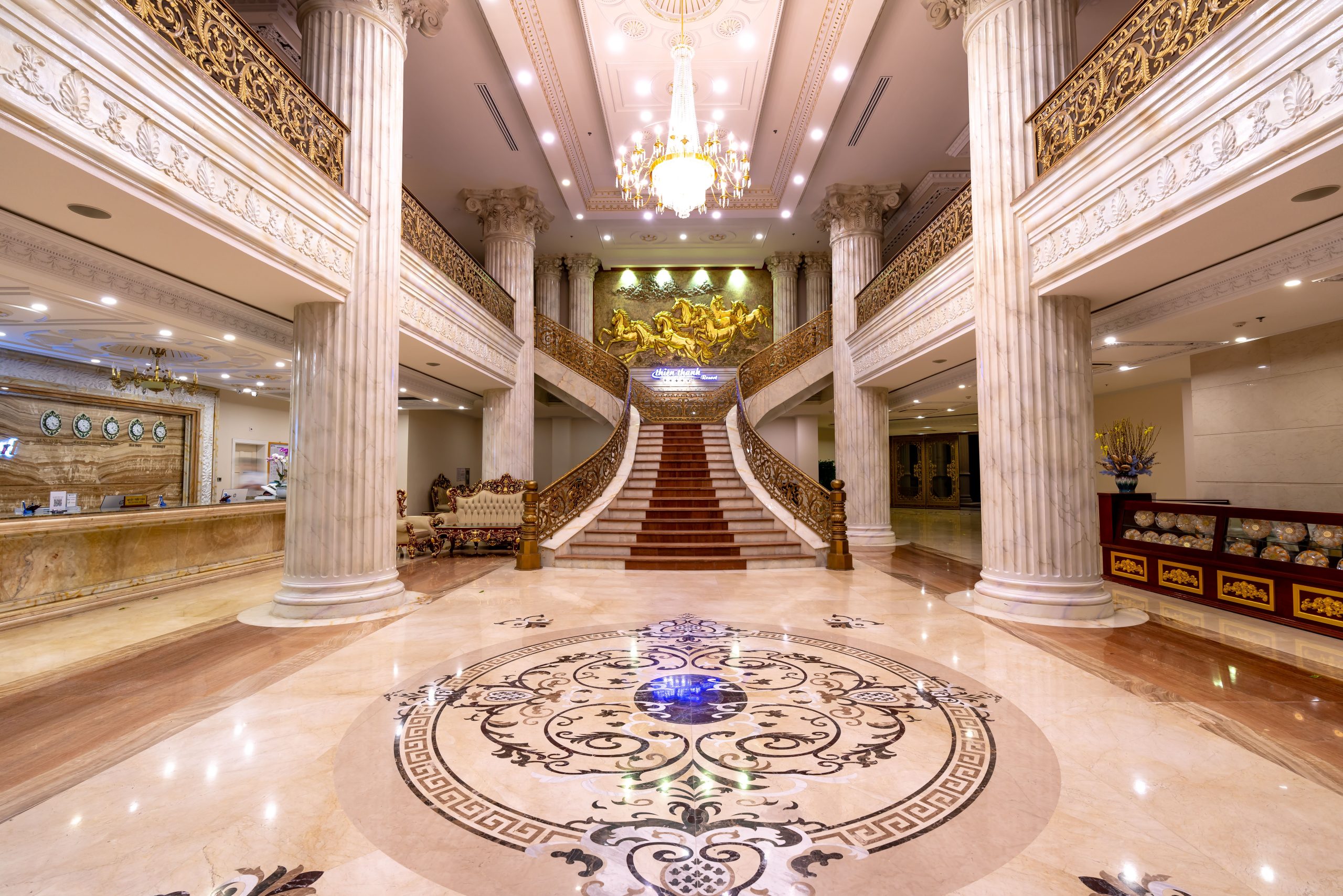
In luxury hospitality, the priciest room in the world is rarely the one people remember best. Ask seasoned travellers to describe an unforgettable stay and they will not mention marble or thread count. They will describe a feeling: being welcomed by name, understood before they asked, quietly taken care of. Mastering that feeling is what separates a great hotel from an expensive one – and the good news is that it can be taught.

Luxury is attention, not opulence
A beautiful building sets the stage, but the performance is human. McKinsey’s interviews with the general managers of the world’s best hotels reached a blunt conclusion: the strongest differentiator is not décor or architecture but a culture of excellence – staff who anticipate needs, exceed expectations and make it all feel effortless. As one manager put it, “our facility is our stage, and guests are paying for a performance.” That single shift in mindset turns hospitality from a job into a craft.

Build the culture before the script
The Ritz-Carlton famously lets every employee – housekeeping and front desk alike – spend up to $2,000 to resolve a guest’s problem without asking a manager first. The gesture is not about money; it is about trust. Scripted service reads as robotic, so the best luxury brands hire for warmth and judgment and then train for skill. Employees who feel trusted trust their instincts, and guests sense the difference within seconds.
Details first, recovery second
Guests rarely remember the grand gesture; they remember the accumulation of small ones – the preferred table, the right pillow, the waiter who recalls how you take your coffee. In a great kitchen, the final garnish on a plate is the visible proof of invisible discipline: nothing is left to chance. Detail is how a brand demonstrates that it is genuinely paying attention.

Attention also determines how a brand handles failure. Psychologists describe a peak-end rule: we judge an experience by its emotional high point and its ending, not by its average quality. Research highlighted by Wharton on unreasonable hospitality found that guests who encountered a problem but received a thoughtful, generous response were twice as likely to return and twelve times more likely to leave a positive review. Done well, the recovery becomes the most memorable part of the stay.
Atmosphere, the silent language
None of this requires a five-star lobby, and atmosphere does the quiet work everywhere: the candlelit table, the considered lighting, the unhurried pace. We take in a space with all our senses long before words are exchanged, and that first impression shapes everything that follows.

Beyond the hotel walls
The same fundamentals scale to every premium personal service. A private chef, a travel designer, a personal concierge and even a München escort are all, at bottom, selling the identical thing: the feeling of being truly attended to. The best operators understand that discretion, anticipation and genuine warmth are what turn a single booking into a lasting relationship – the very mechanism a grand hotel runs on.

Buildings age and trends fade, but feelings persist. Spend less energy on appearances and more on attention, and the memory you create will outlast any renovation. That is the most durable lesson high-end hospitality has to offer.

