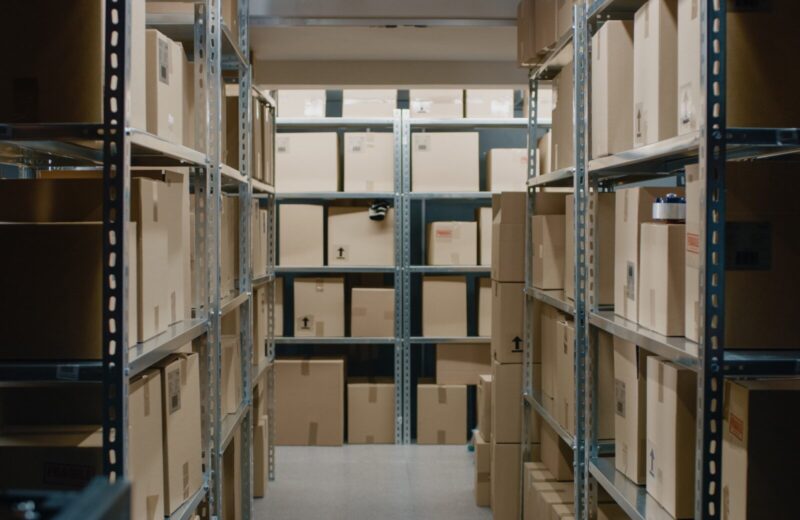
Cardboard document shelving has become a surprisingly practical solution for on site archive storage. It offers a lightweight, low cost way to organize files while keeping records protected and easy to access.
For offices that store long term paperwork such as contracts, permits, HR files, or project records, cardboard shelving can bridge the gap between messy stacks and expensive metal systems. When chosen well and used correctly, it supports a clean archive without straining your budget.
Why cardboard shelving works for on site archives

The main advantage of cardboard shelving is efficiency in both cost and space. It is usually cheaper than metal racks and faster to install because units arrive flat packed and assemble quickly.
Despite the low price point, modern archival grade cardboard shelves are engineered for load bearing. Many systems use double wall corrugation and interlocking joints that distribute weight across the frame.
Cardboard shelving is also modular, letting you add bays or stacks as your archive grows. That flexibility is ideal for small offices where record volume increases each year in a predictable way.
Another benefit is that cardboard does not rust or chip, which helps keep archive areas cleaner. It also reduces the risk of scratching floors or walls when shelves are moved during reorganization.
Most cardboard archive systems are designed around standard box sizes, so stacking stays stable and aligned. If you want to match shelving dimensions to your filing approach, learn more about cardboard file boxes to see which box formats integrate best with modular shelves.
How to choose the right shelving system

Start by estimating the weight you will store per shelf, not just the number of boxes. Legal files, binders, and paper heavy projects can add up quickly, so load ratings matter.
Look for shelves made from archival or acid free board if you store sensitive records. This reduces paper yellowing and helps meet compliance expectations for long retention periods.
Check that the shelf depth fits your box type with minimal wasted space. A shelf that is too deep encourages loose stacking and makes retrieval harder over time.
Ventilation and airflow are also important in archive rooms. Cardboard shelves that allow slight air circulation around boxes help prevent trapped humidity and reduce mildew risk.
Consider stability features such as cross bracing, locking tabs, and wide base panels. These details keep tall shelving units rigid and safe when fully loaded.
Finally, choose systems with clear labeling zones on the front edge. Built in label strips make indexing faster and reduce mistakes when multiple people access the archive.
Best practices for setup and long term use
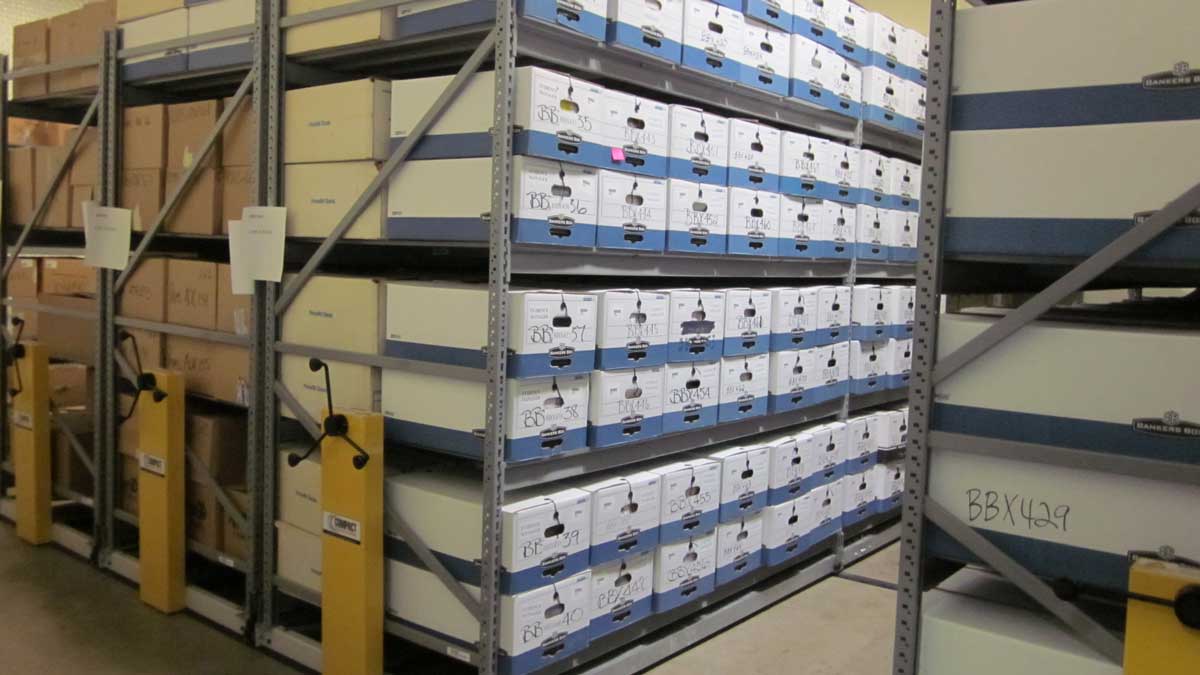
Place cardboard shelving in a dry, temperature stable room away from windows, kitchens, or wet walls. Excess humidity is the biggest threat to cardboard archives, so location control protects both shelves and files.
Keep shelves off bare concrete floors by using pallets, rubber feet, or a raised base. This prevents moisture wicking and protects records if minor flooding occurs.
Load smarter by putting heavy boxes on lower levels and lighter items higher up. This improves stability and reduces strain on shelf joints over years of use.
Use a uniform box size whenever possible, because mixed sizes lead to unstable stacks. Consistent boxes also make indexing and retrieval far easier for staff.
Label every box clearly with year, category, and number, then store them in sequence. Pair that with a simple spreadsheet index so anyone can find records without guessing.
Inspect shelves twice a year for softening, warping, or crushed corners. If a bay shows weakening, transfer weight and replace the section early to avoid collapse.
Conclusion
Cardboard document shelving is a smart option for on site archive storage when budgets and space are tight. With the right load rated system, good room conditions, and disciplined organization, it can keep long term records safe and easy to manage.
By treating cardboard shelves as a planned archive system rather than a temporary fix, offices gain clean storage that scales smoothly as records grow year after year.


