Construction projects present unique fire risks due to evolving site conditions, temporary services, combustible materials, and high activity levels. Unlike completed buildings, construction sites often lack fully installed fire protection systems, making proactive risk management essential. Fire risk assessments and structured mitigation strategies help reduce hazards, protect workers, and ensure regulatory compliance throughout the build process.
Understanding Fire Risks On Construction Sites
Engaging a highly reputable fire risk consultant early in the project lifecycle helps identify potential ignition sources and vulnerabilities before they escalate into serious incidents. Construction environments typically involve hot works such as welding and cutting, temporary electrical installations, fuel storage, and significant quantities of combustible materials like timber, packaging, and insulation.
As structures rise, escape routes and access points can change frequently. Incomplete fire compartmentation and partially installed systems increase exposure to rapid fire spread. Additionally, large sites may have multiple subcontractors operating simultaneously, increasing the likelihood of procedural gaps or communication breakdowns.
A structured fire risk assessment evaluates these dynamic conditions. It identifies ignition sources, fuel loads, vulnerable zones, and the potential impact of fire on adjacent structures or occupied buildings. The goal is to understand not only where a fire could start, but how it might develop and affect people, assets, and timelines.
Conducting A Comprehensive Fire Risk Assessment

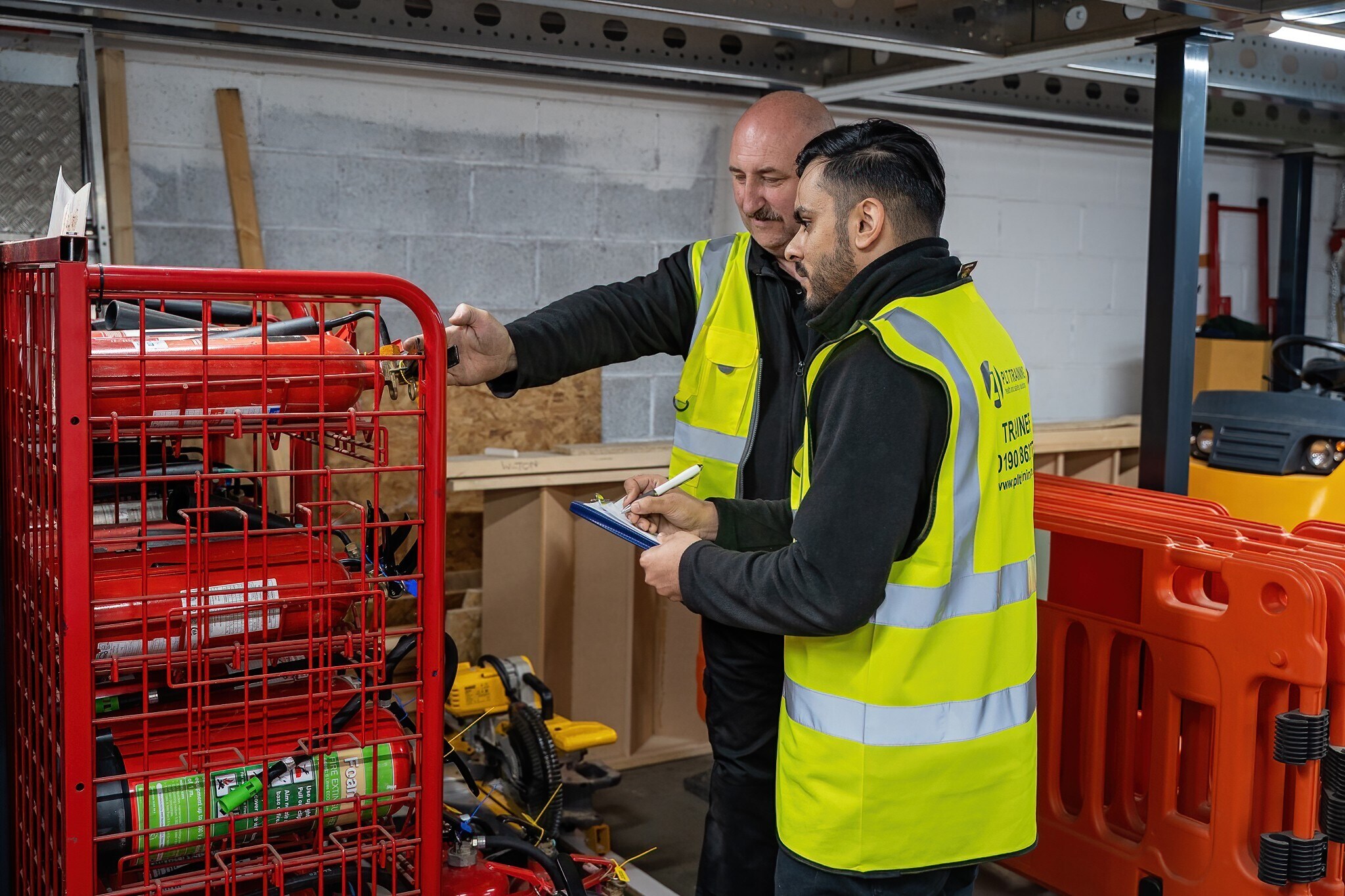
A formal fire risk assessment typically begins with a detailed site inspection and documentation review. Consultants analyze site layout, construction methods, material storage practices, and temporary utility arrangements. They assess whether fire detection, alarm systems, and extinguishing equipment are sufficient for the current phase of construction.
Hot work management procedures are closely examined. Proper permit systems, fire watch protocols, and designated safe work areas significantly reduce ignition risk. Electrical installations are also reviewed to ensure temporary wiring and equipment meet safety standards.
Evacuation planning is another critical component. Even during early construction stages, clear and accessible escape routes must be maintained. Emergency assembly points and communication systems should be clearly defined and communicated to all site personnel.
The assessment results in a documented report outlining identified risks, their likelihood and impact, and recommended control measures. This document becomes a reference point for ongoing safety management.
Implementing Effective Mitigation Strategies

Mitigation strategies are tailored to the specific risks identified during assessment. These may include establishing strict hot work controls, segregating combustible materials, improving site housekeeping, and enhancing supervision during high risk activities.
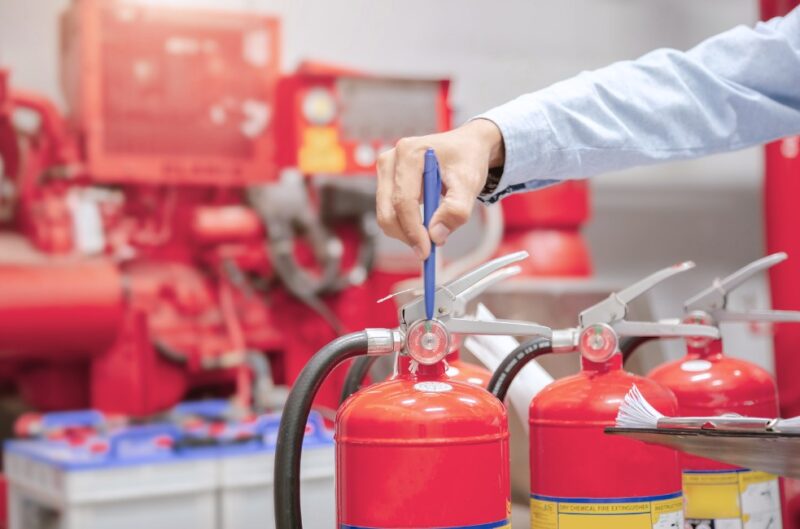
Temporary fire detection and alarm systems can be installed in larger or high value projects. Portable fire extinguishers and hose reels should be strategically positioned and regularly inspected. In multi storey projects, phased installation of permanent fire systems may be recommended to provide earlier protection.
Training and awareness programs are equally important. Workers must understand fire risks, reporting procedures, and evacuation protocols. Regular toolbox talks and safety briefings reinforce compliance and ensure new personnel are informed.
Continuous monitoring is essential because construction sites evolve daily. Periodic reassessments ensure mitigation measures remain appropriate as the project progresses and new risks emerge.
Conclusion
Fire risk assessments and mitigation strategies are critical safeguards for construction projects. By identifying hazards early and implementing structured controls, project teams can reduce the likelihood of fire incidents, protect personnel, and prevent costly delays. With expert guidance and proactive planning, construction sites can maintain a safer working environment while meeting regulatory and insurance requirements throughout the build process.


