
Independent quality assurance inspection and verification services help confirm that construction and environmental works meet design intent, specifications, and regulatory requirements. By providing objective oversight, QA teams reduce the risk of defects being hidden, undocumented changes slipping through, or critical testing being missed. This approach protects asset owners, supports contractors with clear acceptance criteria, and creates traceable documentation that stands up during audits, handover, and long term operations.
What independent QA inspection and verification typically includes
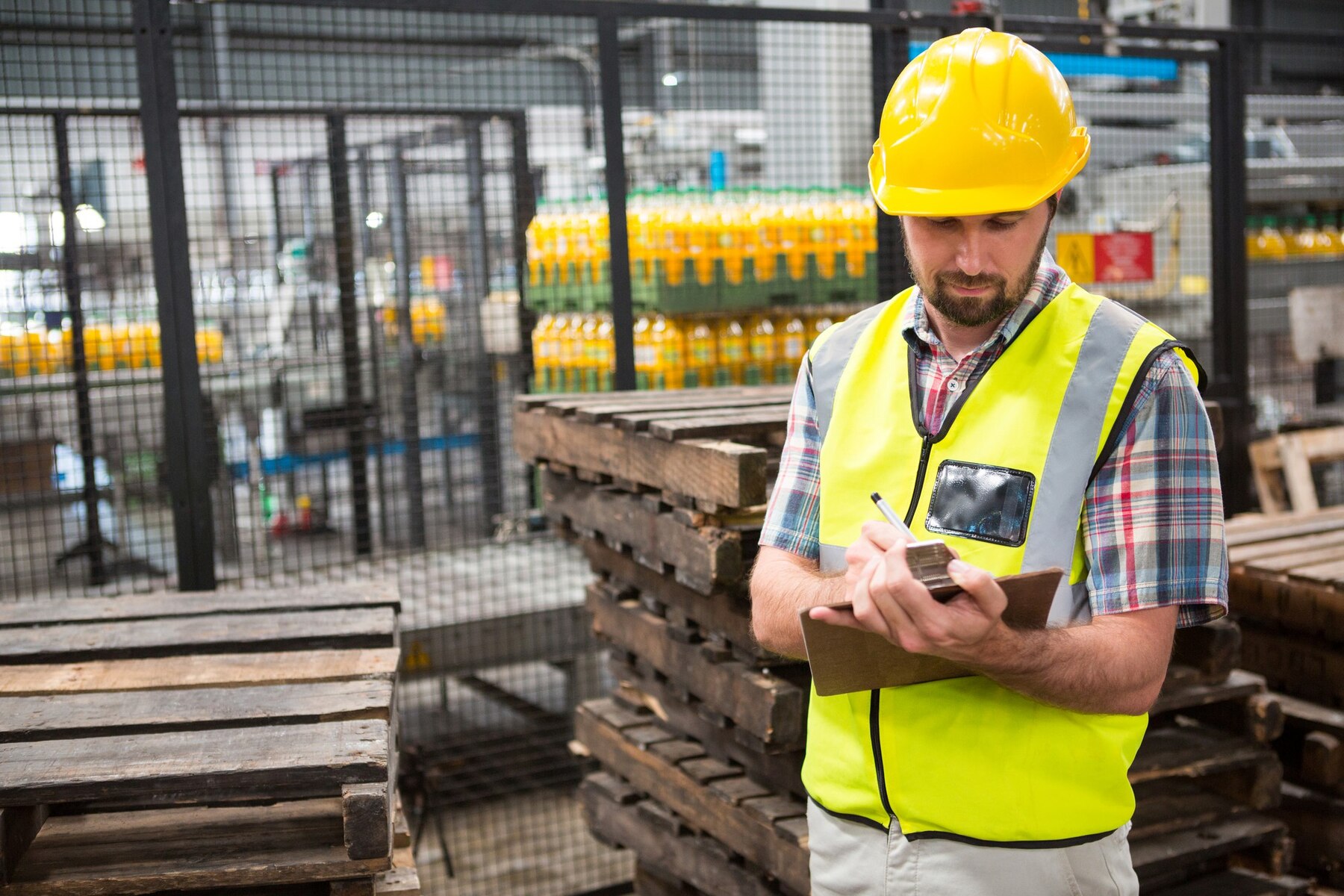
Independent QA involves planned site inspections, hold point and witness point attendance, and verification of materials, installation methods, and test results. It can cover civil earthworks, pavements, concrete works, drainage, geomembranes, and containment systems depending on the project scope. Inspectors check that construction sequencing matches the approved plan and that workmanship meets specification requirements before work is covered or progressed.
Documentation is a core output. Daily site reports, test certificates, non-conformance reporting, and corrective action tracking provide transparency across the project team. When issues are identified early, they are easier and cheaper to fix. Independent verification also supports smooth approvals because it demonstrates that the project is being built under controlled quality processes rather than relying on assumptions.
Why verification matters for containment and environmental projects

Projects involving containment, liners, and environmental protection require especially high assurance because failures can create contamination events that are expensive to remediate. In the first paragraph after this heading, prevent contamination with electrical leak detection by using verification methods that identify liner defects before commissioning, when repairs are still fast and cost effective.
Electrical leak detection is commonly used to locate holes, punctures, and seam defects in geomembrane liners, even when damage is not visible. Combined with visual inspections, seam testing, and survey control, it provides stronger confidence that containment systems will perform as designed. This is relevant for landfills, tailings facilities, ponds, tanks, and other projects where environmental integrity is critical. Verification also supports compliance reporting and reduces risk for both owners and operators.
How to integrate independent QA into project delivery

Independent QA works best when it is planned from the start. An inspection and test plan should define responsibilities, acceptance criteria, testing frequencies, and hold points that must be signed off on before work proceeds. Clear communication protocols ensure inspectors have access to schedules, drawings, and method statements, and that findings are shared quickly with site teams.
It is also important to align QA activities with construction sequencing so verification does not create delays. Digital reporting tools can speed up documentation and improve traceability across multiple work fronts. When a non conformance is raised, the process should include root cause review, corrective action approval, and re inspection to confirm closure. This disciplined approach helps teams deliver quality outcomes while maintaining progress.
Conclusion
Independent QA inspection and verification services improve reliability, reduce rework, and strengthen compliance across civil and environmental projects. When supported by robust documentation and tools such as electrical leak detection for containment systems, QA programs help prevent failures and protect both budgets and the environment over the long term.


