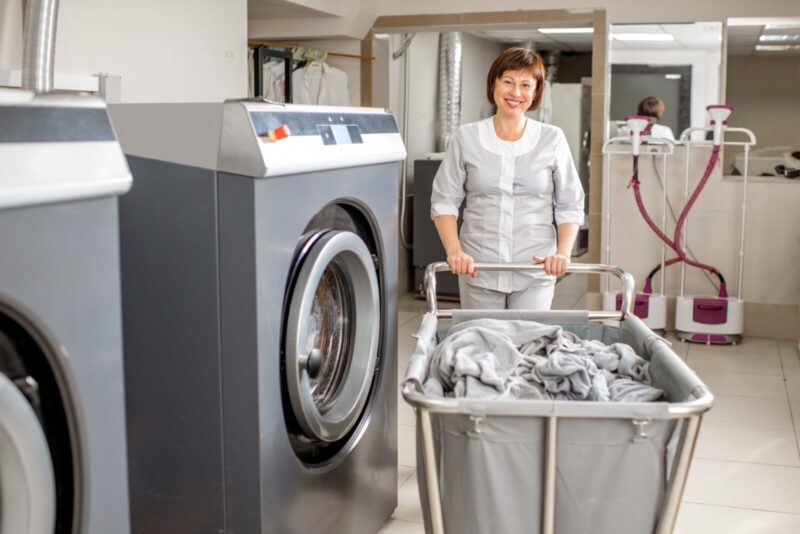
On premise laundry solutions are becoming increasingly important for hotels, hospitals, and aged care facilities that require full control over hygiene, turnaround times, and operating costs. By managing laundry operations internally, organizations can improve quality assurance, reduce outsourcing expenses, and ensure consistent service standards. Selecting the right equipment and workflow design is essential for achieving efficiency and long term reliability.
Why On Premise Laundry Matters In High Demand Environments
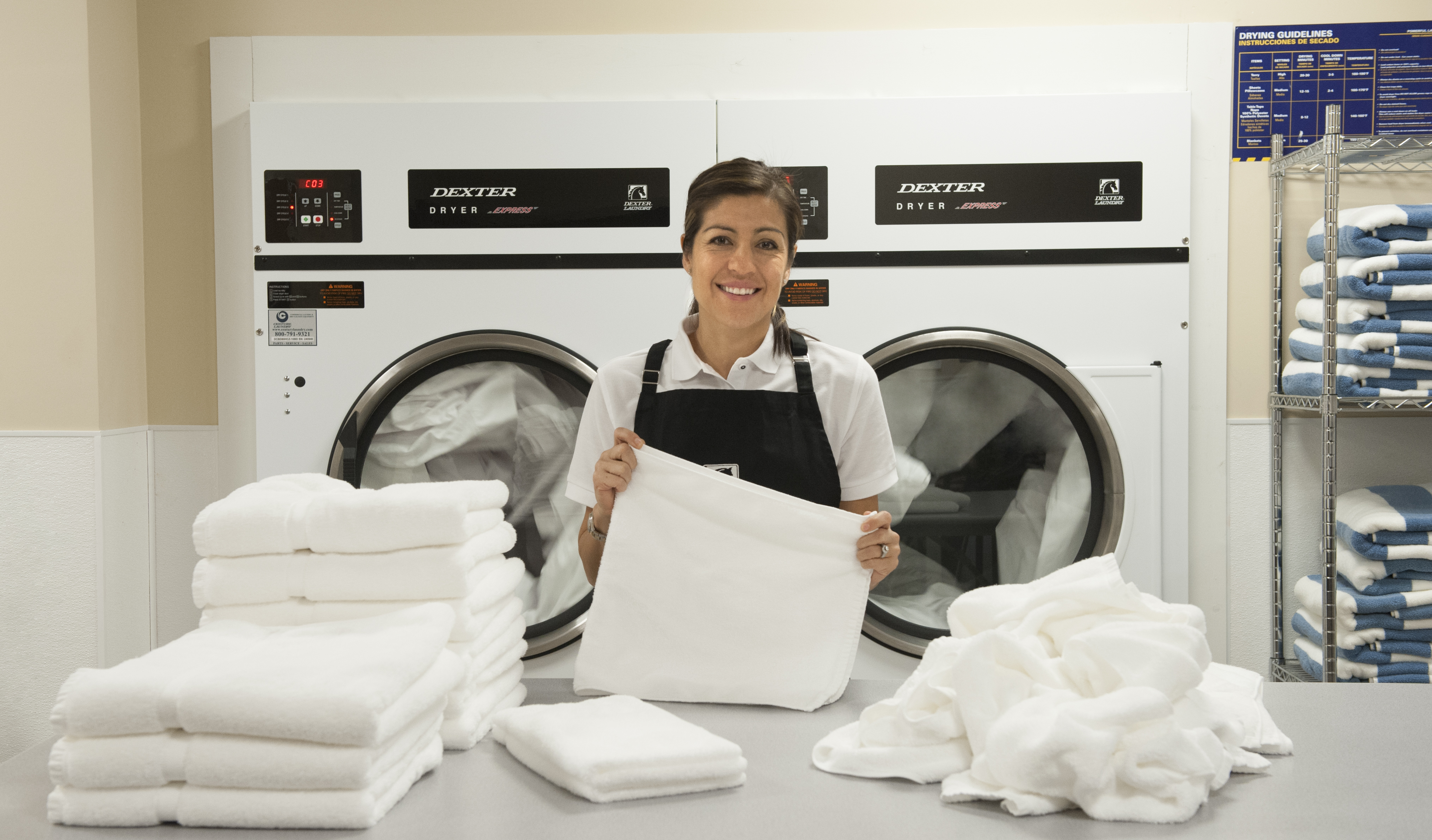
Facilities investing in high performance equipment often prioritize second to none commercial washers to ensure durability, consistent cleaning results, and minimal downtime in demanding environments. Hotels must process large volumes of linens daily, hospitals require strict infection control compliance, and aged care centers depend on hygienic laundering to protect vulnerable residents.
Outsourcing laundry may seem convenient, but it often results in limited scheduling flexibility and higher long term costs. On premise solutions allow facilities to control washing cycles, temperature settings, and chemical dosing according to specific textile and hygiene requirements. This is especially important in healthcare settings where sanitation standards are critical.
Speed is another major advantage. Internal laundry operations reduce turnaround times, ensuring fresh linens, towels, and garments are available when needed. This improves guest satisfaction in hospitality settings and supports patient care efficiency in medical environments.
Key Equipment For Hotels, Hospitals, And Aged Care

An effective on premise laundry system includes more than just washers. High capacity commercial dryers, flatwork ironers, and folding systems work together to create a streamlined workflow. Selecting equipment designed for continuous use ensures reliability and energy efficiency.
In hotel operations, high extraction washers reduce moisture content, cutting drying time and lowering energy consumption. Hospitals often require programmable cycles with thermal disinfection capabilities to meet infection control protocols. Aged care facilities benefit from user friendly controls and durable components that support daily laundering without interruption.
Space planning is equally important. Proper layout design minimizes manual handling and supports safe, ergonomic workflows. Separating clean and soiled linen zones is essential in healthcare environments to maintain compliance and reduce contamination risk.
Water and energy efficiency features also play a significant role in reducing operating costs. Modern commercial machines incorporate advanced controls that optimize water usage, detergent dosing, and drying temperatures without compromising performance.
Operational Benefits And Long Term Cost Control

Bringing laundry operations in house provides greater visibility into costs and performance. Facilities can monitor utility usage, chemical consumption, and cycle efficiency to identify areas for improvement. This level of oversight supports budgeting accuracy and long term planning.
Preventive maintenance programs further enhance reliability. Regular servicing extends equipment lifespan and reduces the likelihood of unexpected breakdowns that disrupt operations. Many facilities implement structured maintenance schedules to ensure consistent output and compliance with safety standards.
Staff training also contributes to operational success. Well trained personnel can operate equipment efficiently, identify early signs of wear, and maintain hygiene protocols. Over time, this improves productivity and reduces waste.
Scalability is another advantage. As occupancy rates increase or patient volumes grow, facilities can expand capacity by adding additional machines or upgrading to higher output models.
Conclusion
On premise laundry solutions offer hotels, hospitals, and aged care facilities greater control, improved hygiene standards, and measurable cost efficiencies. With the right combination of durable equipment, efficient workflow design, and structured maintenance practices, organizations can ensure consistent linen quality and reliable daily operations. Investing in a well planned on premise laundry system supports long term performance, compliance, and service excellence.

