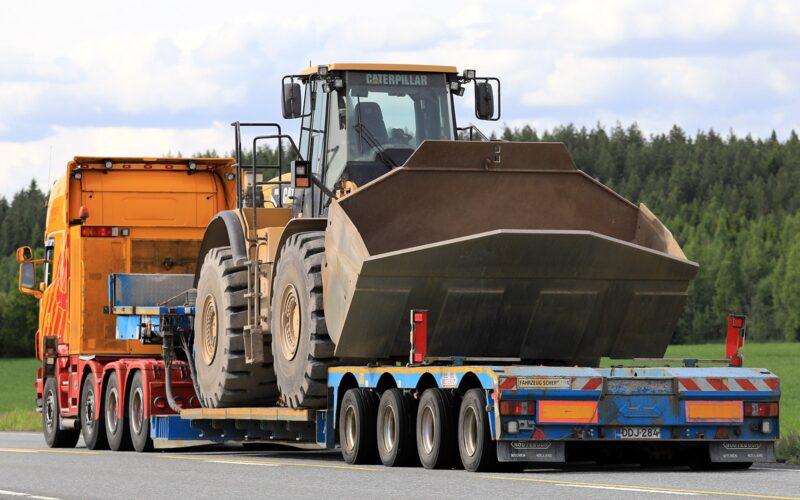
Moving heavy machinery is never just about getting from point A to point B. It involves load security, route planning, permits, weight limits, and the right equipment to protect both the machinery and everyone else on the road. Whether you are relocating construction gear, agricultural machines, or industrial equipment, safe and legal transport reduces downtime, avoids fines, and prevents damage.
Compliance Comes First: Permits, Mass Limits, and Route Planning

Heavy machinery often falls into oversize or overmass categories, meaning transport must comply with specific regulations. Operators need to check axle loads, gross vehicle mass, and dimension limits such as height, width, and length. If the load exceeds standard thresholds, permits are usually required, and authorities may impose conditions like restricted travel times, specific routes, or escort vehicles.
Route planning is a major safety and legal factor. Low bridges, tight roundabouts, roadworks, and weak pavements can quickly turn a simple job into a high-risk situation. Professional heavy haulage providers plan routes to account for clearances, turning space, and safe stopping points. If you want a practical starting point for local options, discover heavy haulage in Brisbane Australia and explore services that understand Queensland roads and compliance requirements.
Load Restraint and Equipment Choice for Real World Safety

Even with correct permits, load restraint is what keeps heavy machinery stable during braking, cornering, and uneven road conditions. Chains, binders, rated straps, and engineered tie down points must match the machine’s weight and shape. Operators should also secure attachments like buckets, blades, and ripper teeth separately, because loose components are common causes of incidents.
The transport method matters too. Low loaders are ideal for tall machines because they reduce overall height. Tilt trays are useful for smaller machines that can be winched on and off efficiently. Extendable trailers handle long loads, while drop decks suit bulky equipment that needs a lower deck height.
Choosing the wrong trailer can create legal issues, such as exceeding height limits or creating dangerous weight distribution. Good providers will inspect the machine, verify dimensions, and recommend the safest trailer type for the task.
Risk Management: Escorts, Timing, and Insurance
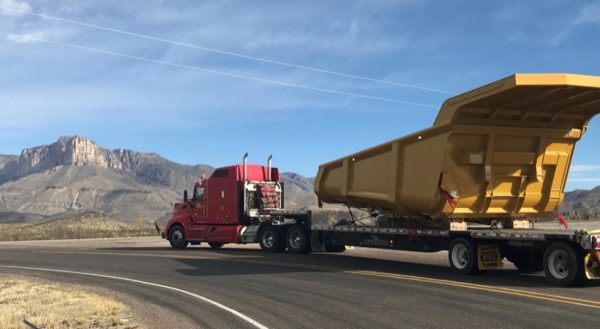
Heavy machinery transport often requires additional controls beyond the truck and trailer. Pilot vehicles may be mandatory for wide loads, helping manage traffic and warning other road users. In some cases, police escorts are required for extremely large movements or sensitive routes. Timing is also important. Many permits restrict travel to off peak hours, daylight only, or specific days to reduce congestion and risk.
Insurance and documentation are frequently overlooked. A reputable operator should carry appropriate liability coverage and provide clear documentation for the load, route, and permit conditions. Pre-trip checklists, driver fatigue management, and communication plans are also part of professional risk control. These steps protect your equipment and reduce the chance of delays caused by compliance checks.
Conclusion
Safe and legal heavy machinery transport depends on compliance, correct equipment selection, and disciplined load restraint. Add thoughtful route planning, risk controls like escorts, and proper insurance, and you get a process that protects people, roads, and your machinery. If you are planning a move and want to compare local capabilities, take time to discover heavy haulage in Brisbane Australia and choose a provider that prioritizes safety, legality, and smooth delivery.


