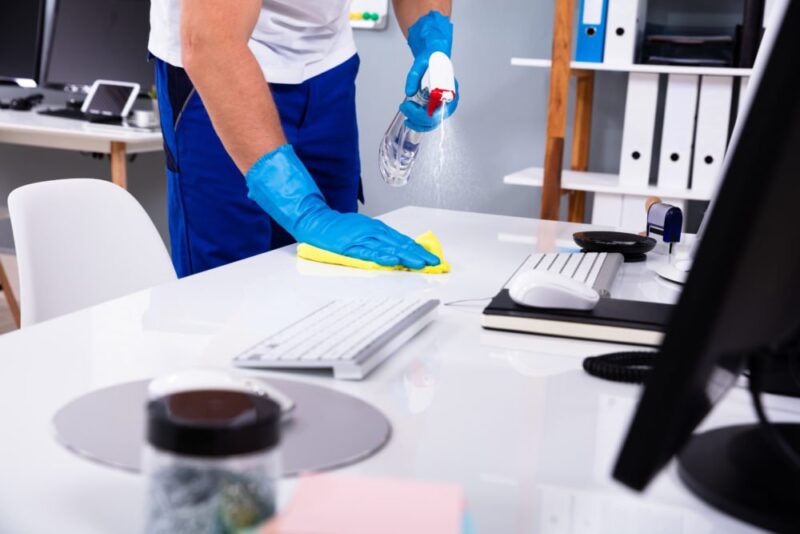
A clean office contributes to employee wellbeing, workplace productivity, and a positive impression for clients and visitors. However, maintaining a consistently clean environment requires more than occasional tidying. Businesses benefit from having a structured cleaning schedule that ensures all areas receive appropriate attention on a regular basis.
An effective office cleaning plan helps maintain hygiene standards, extend the lifespan of office furnishings, and reduce the spread of germs. By identifying cleaning priorities and assigning clear schedules, organisations can create a healthier and more professional workplace.
Why A Structured Cleaning Schedule Matters
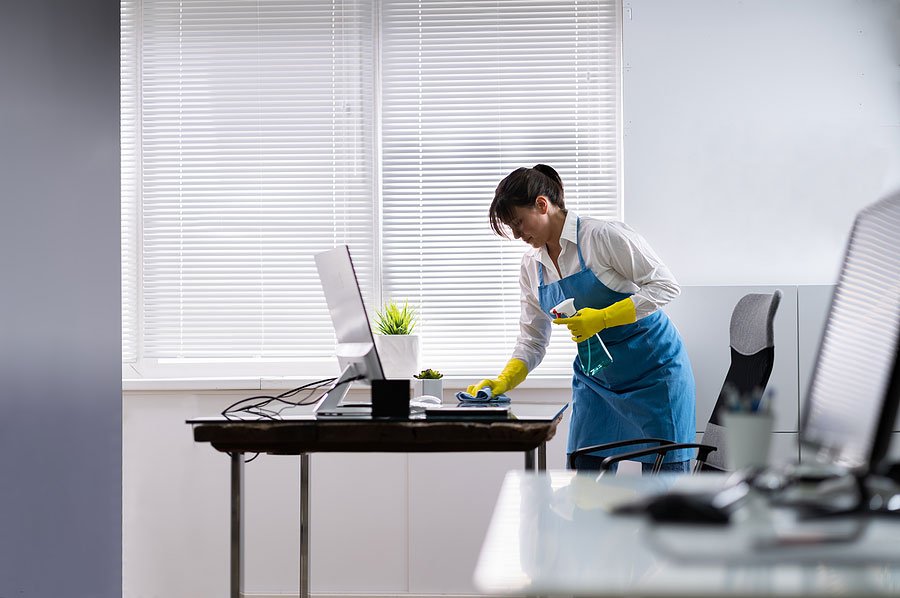
Businesses that want to learn more about office cleaning should understand that a well-organised schedule helps ensure that important cleaning tasks are completed consistently rather than only when problems become visible.
Regular cleaning improves workplace appearance while helping to maintain a healthier environment for employees and visitors. Consistent routines also make it easier to identify maintenance issues before they develop into larger problems.
Without a defined schedule, certain areas may be overlooked, leading to reduced cleanliness standards and unnecessary wear on office facilities.
Daily And Weekly Cleaning Tasks
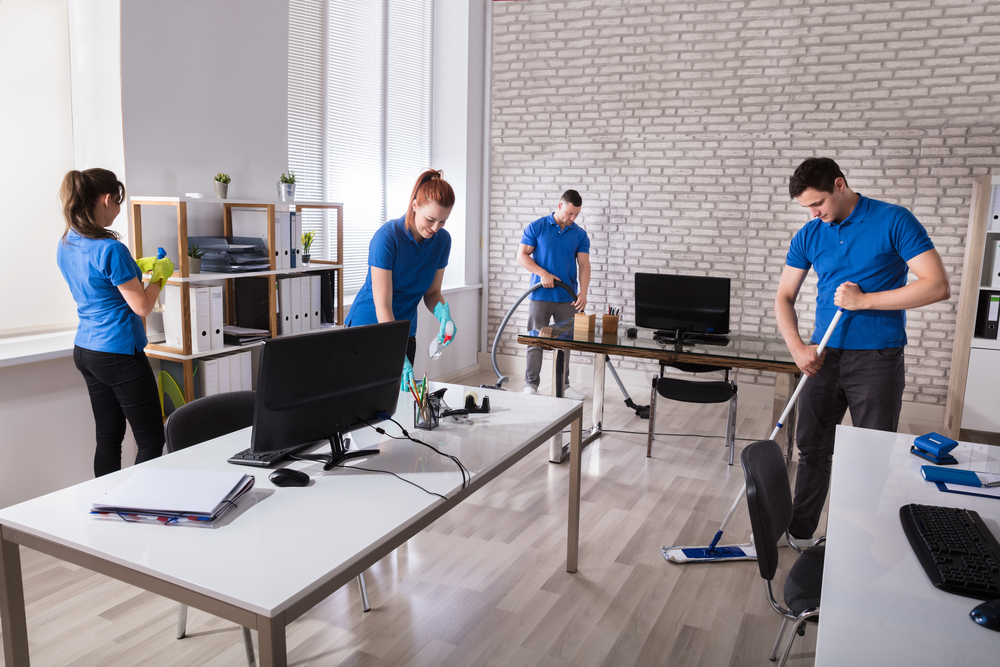
Most office cleaning schedules should include daily tasks such as emptying bins, sanitising high-touch surfaces, cleaning restrooms, and vacuuming or sweeping common areas. Reception spaces, meeting rooms, and kitchen facilities often require particular attention due to frequent use.
Weekly tasks may include deeper floor cleaning, dusting workstations, cleaning interior glass surfaces, and disinfecting shared equipment. These activities help maintain a professional appearance while supporting workplace hygiene.
The exact schedule should be adjusted based on office size, employee numbers, and visitor traffic levels.
Periodic Deep Cleaning Requirements
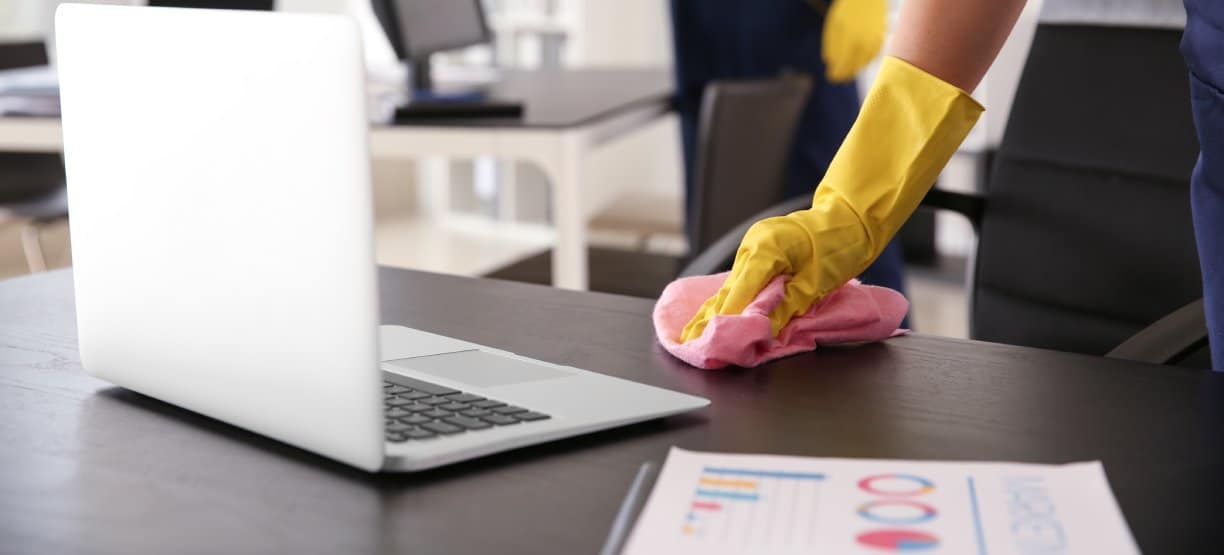
In addition to routine cleaning, businesses should schedule periodic deep cleaning services throughout the year. These may include carpet cleaning, upholstery maintenance, window washing, air vent cleaning, and detailed sanitisation of hard-to-reach areas.
Deep cleaning helps remove accumulated dirt and contaminants that regular maintenance may not fully address. It can also improve indoor air quality and contribute to a more comfortable working environment.
Businesses should review cleaning requirements regularly to ensure schedules continue meeting operational needs as office usage patterns change.
Conclusion
An effective office cleaning schedule combines daily maintenance, weekly cleaning routines, and periodic deep cleaning activities to support a clean and professional workplace. By creating a structured plan and reviewing it regularly, businesses can improve hygiene, enhance employee wellbeing, and maintain a positive environment for clients and visitors. Consistent cleaning practices help protect both workplace appearance and long-term facility value.


